
When people search for a male chastity belt, they are often really asking a comparison question: Do I want a belt-style restraint system, or do I want a chastity cage? That is the useful version of the topic, because terminology alone does not solve comfort or fit.
For most men, the practical decision comes down to wearability, hygiene, and concealment. A setup that looks more restrictive on paper may still be the worse choice if it cannot be worn comfortably or cleaned reliably.
Quick Answer
A male chastity belt usually refers to a male genital restraint setup that provides more structure or coverage than a simple cage. In practice, many men still choose cages because cages are often easier to size, easier to hide, and easier to maintain.
That does not make belts useless. It means belts and cages solve different problems.
Belt vs Cage for Men
Here is the practical comparison most people actually need:
| Option | Usually better for | Main tradeoff |
|---|---|---|
| Belt-style system | stronger symbolic coverage, broader restraint feel, specialized scenarios | bulk, cleaning complexity, and concealment |
| Standard cage | simpler fitting, easier cleaning, everyday wear, easier concealment | less full-coverage feel |
| Flat or low-profile cage | discretion and clothing compatibility | more demanding fit tolerance |
| Custom or advanced wearable | long-term comfort and specialized goals | cost, calibration, and product-specific learning |
That table matters more than the label itself.
The Fit Variables Men Need to Understand
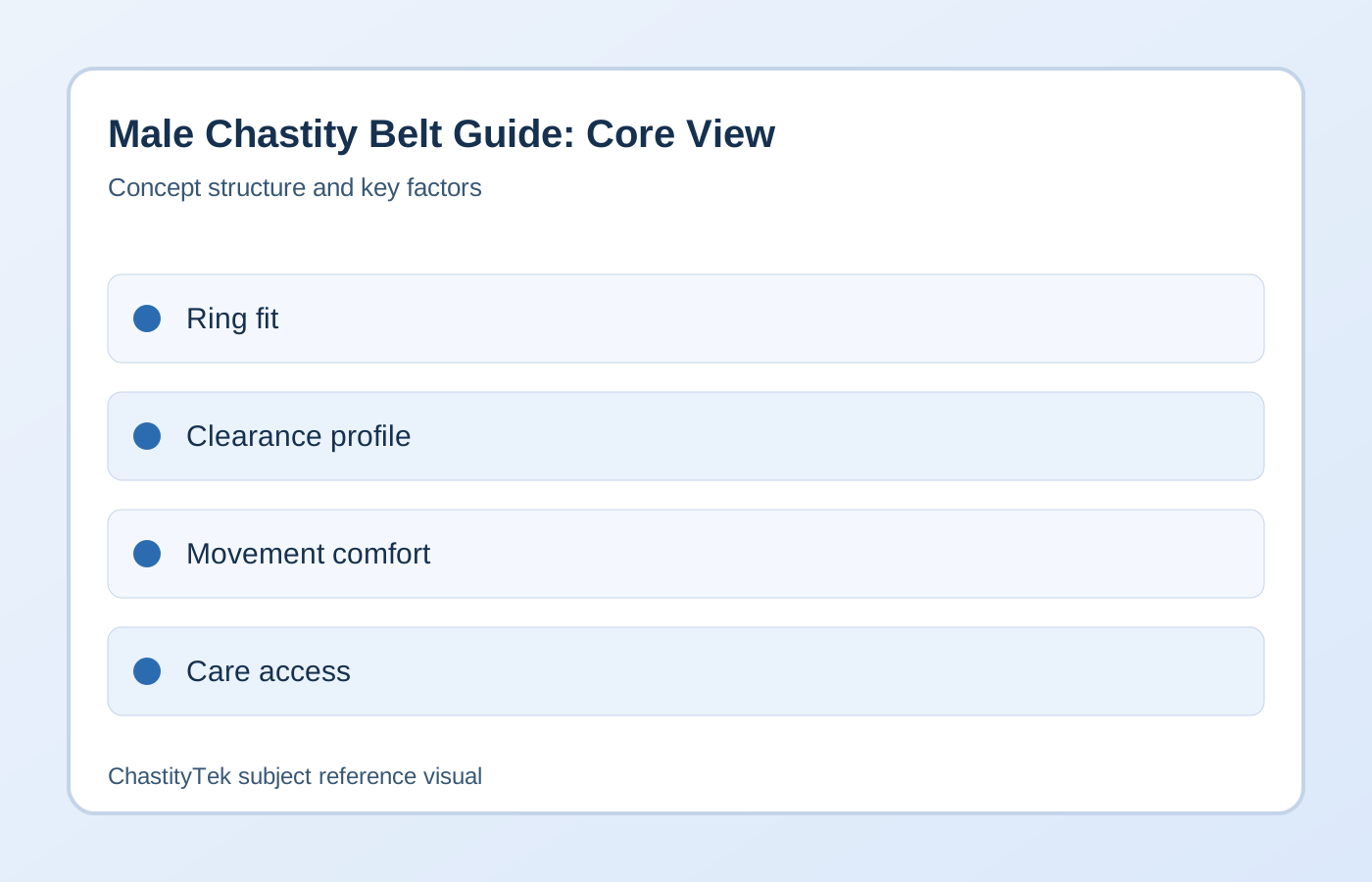
Male setups usually succeed or fail on a few concrete variables:
- base ring size
- device length and internal clearance
- pressure at the underside and side contact points
- how the setup behaves during sitting, walking, and sleep
- how easy it is to clean and fully dry
If one of those variables is wrong, the rest of the routine becomes unstable no matter how committed the wearer is.
Why Many Men Start With a Cage
For male users, cages often provide a better learning curve than full belt-style systems. They usually:
- require fewer body-wide alignment decisions
- are easier to test in short sessions
- hide better under everyday clothing
- make hygiene easier to manage
That is why many men who start by searching male chastity belt eventually realize their practical comparison belongs on pages like Types of Chastity Cages and What Is the Best Chastity Belt for Men? Fit, Comfort, and Device Choice.
When a Belt-Style System May Make More Sense
A belt-style system may appeal more when the user wants:
- a stronger sense of enclosure
- broader pelvic restraint rather than cage-only restraint
- a more ritualized or symbolic presentation
- a specific power-exchange aesthetic
Those are valid reasons. They just should not be confused with proof that a belt will be more comfortable or more sustainable for normal daily wear.
Daily-Wear Reality for Men
Real life introduces constraints that fantasies skip. Men comparing belts and cages need to think about:
- restroom practicality
- athletic movement or commuting
- how obvious the device is under clothing
- whether the device shifts during long periods of sitting
- whether the wearer can sleep without repeated pressure problems
This is where many "more secure" ideas fall apart. Security that ruins routine life is often not the winning choice.
Hygiene, Skin, and Escalation
Any male restraint device needs a cleaning plan and a progression plan. That means:
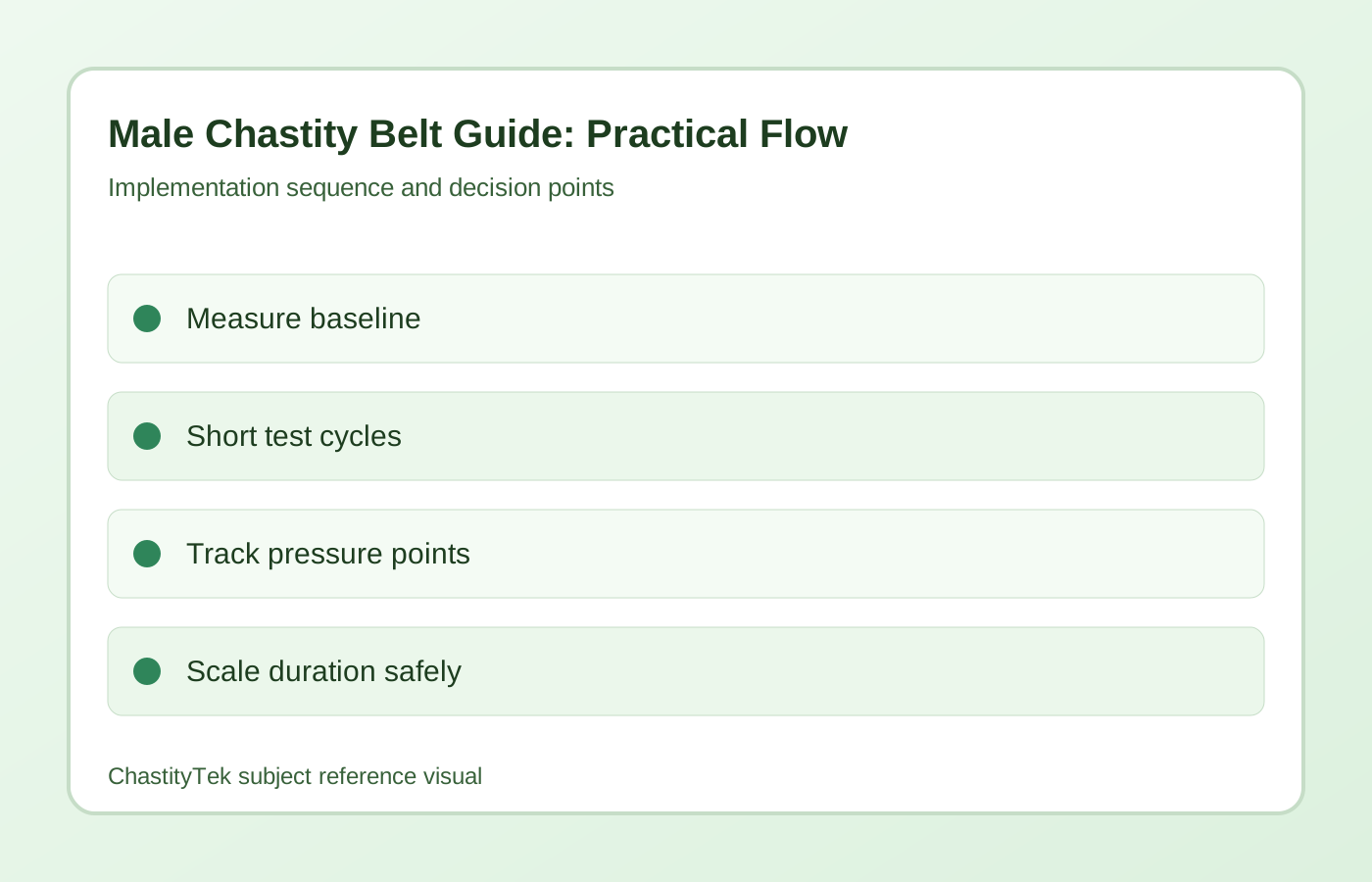
- short sessions before long ones
- full inspection after removal
- no ignoring numbness, swelling, chafing, or broken skin
- honest logging of which activities trigger discomfort
If discomfort is predictable, the answer is not "tough it out." The answer is to adjust the fit or reconsider the device category.
Common Male Search Mistakes
- assuming a male chastity belt is automatically more secure than a cage
- choosing for intensity instead of wearability
- ignoring concealment until after purchase
- trying long sessions before the fit is proven
- overlooking how much cleaning access matters
Frequently Asked Questions
Is male chastity belt just another term for cage?
Sometimes in casual speech, yes. In practical device comparison, though, the distinction matters because belts and cages behave differently on the body.
What causes discomfort most often?
Incorrect ring fit, poor pressure distribution, and a profile that shifts during movement are common causes.
Can men wear devices during normal daily life?
Yes, but only if the fit is correct and the device category matches the intended routine. Many men find smaller cage-style solutions easier for real daily wear.
Should beginners start with belt-style systems?
Usually not. For many beginners, shorter and simpler cage-style options provide safer feedback and a better learning curve.
What should readers open next?
The strongest next pages are What Is the Best Chastity Belt for Men? Fit, Comfort, and Device Choice and What Is a Chastity Belt and How Does It Work in Real Life?.
Bottom Line for Male Readers
For men, the real question is rarely whether the word belt sounds more intense. The real question is which setup can stay secure, clean, comfortable, and discreet enough to support the kind of routine you actually want.
If you are already comparing old-school restraint ideas with modern wearability, the most relevant internal comparison page after this one is The Veru One.