
A female chastity belt is generally a belt-style restraint device or front-panel system designed to limit genital access. But the practical issues are very different from the fantasy image. Female-focused restraint depends heavily on pressure distribution, hygiene access, movement comfort, and realistic communication between partners.
That is why this topic cannot be answered well with historical cliches or erotic shorthand. The right questions are practical: Does the design sit correctly? Can it be cleaned? Does it work during walking, bathroom use, and long periods of wear?
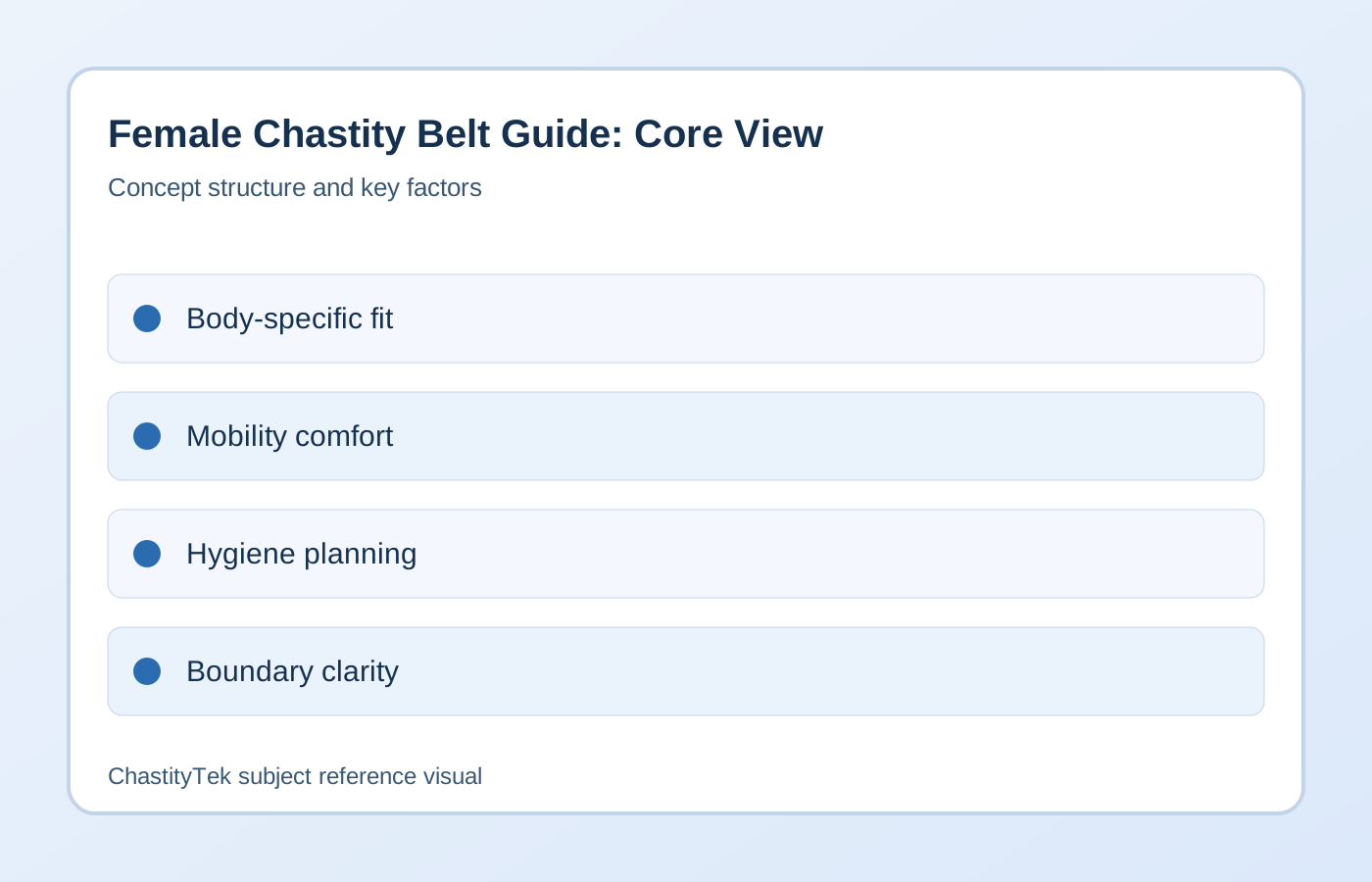
Quick Answer
The safest way to think about a female chastity belt is as a fit-sensitive control device rather than as a symbol. If the shape, coverage, and cleaning routine are wrong, it will not matter how compelling the fantasy sounded.
What Female Chastity Belt Usually Refers To
The term can refer to a few different designs:
- a waist-supported shield or front panel
- a belt-and-strap arrangement
- a more structured custom restraint system
- a fantasy term that people use loosely before they know device specifics
Because the category is broad, the best discussions focus on body interaction rather than on one fixed image.
Fit and Pressure Distribution
Female anatomy makes pressure management especially important. Even a small alignment problem can become a major comfort issue over time.
The most important fit questions are:
- where pressure lands when standing versus sitting
- whether edges or seams rub during walking
- whether the design traps heat or moisture
- whether the device shifts during normal movement
- whether the wearer can realistically manage bathroom and hygiene routines
If a design cannot answer those questions well, it is not a strong candidate for longer wear.
Hygiene, Cleaning, and Practical Access
This is one of the most important sections on the page because it is one of the least discussed in fantasy-oriented content.
A workable female chastity routine needs:
- reliable cleaning access
- a plan for full drying
- quick pause if irritation or broken skin appears
- realistic planning around all normal body-care needs
If a design makes routine care difficult, the device may be more symbolic than practical. That is fine for short, intentional use. It is a problem when people mistake it for an easy long-term solution.
Comfort and Mobility in Real Life
What feels tolerable for ten minutes can become a bad idea after a commute, an hour at a desk, or normal household movement. That is why female restraint should be tested in motion rather than judged only while standing still.
Look for recurring patterns:
- discomfort when sitting
- pressure during bending
- friction during walking
- swelling or sensitivity after removal
Patterns matter more than isolated impressions.
Emotional Safety and Consent
Female chastity discussions sometimes get reduced to control symbolism. That misses the most important part: a healthy dynamic requires explicit consent, clear boundaries, and emotional check-ins.
Before longer or more structured use, partners should agree on:
- duration expectations
- unlock conditions
- emergency exceptions
- how reassurance or check-ins work
- how the wearer can report discomfort without fear of disappointing anyone
A device may create the physical structure, but trust is what keeps the arrangement healthy.
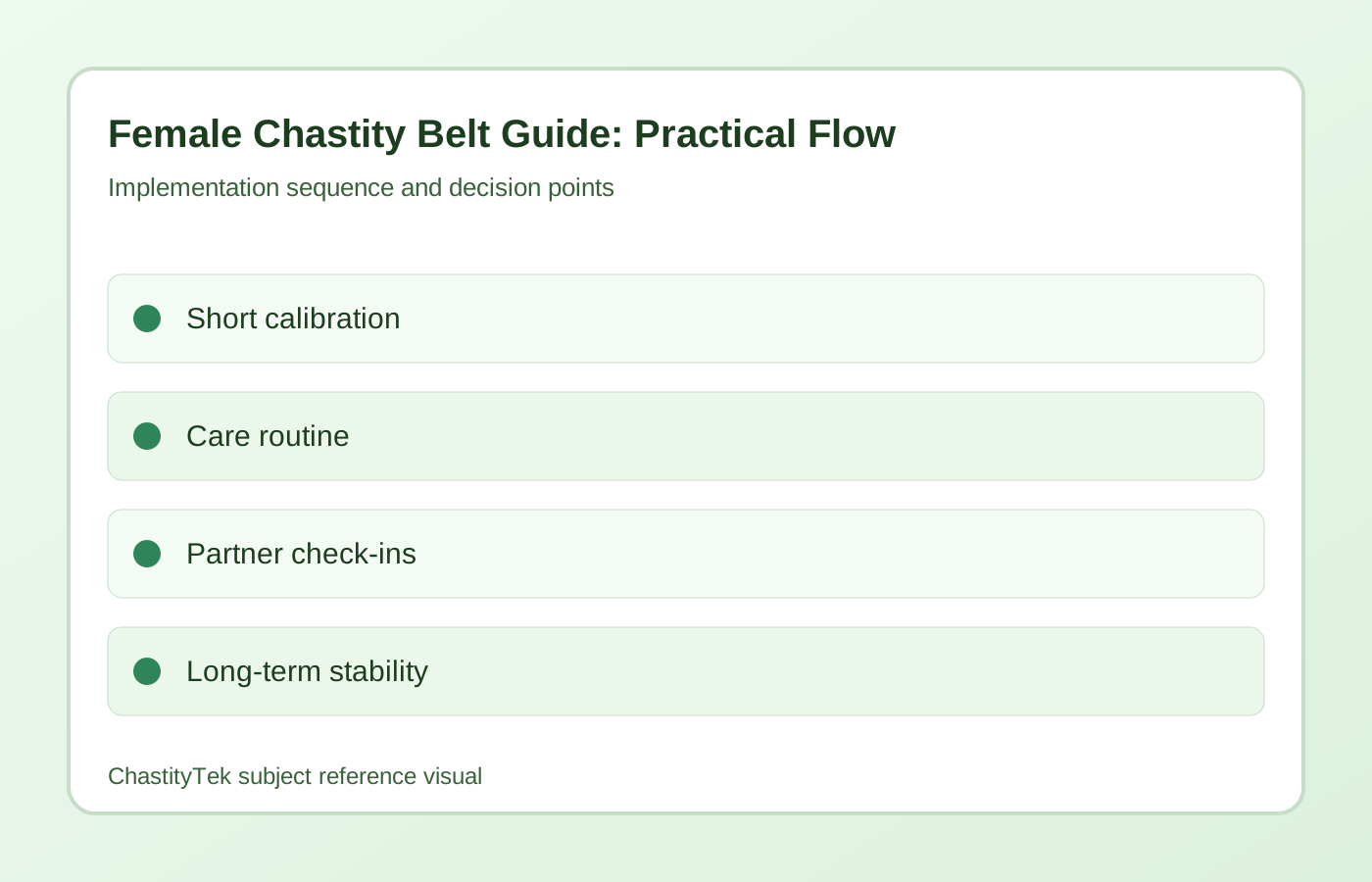
How to Build a Safer Routine
The strongest pattern is gradual:
- start with short sessions
- test in realistic movement conditions
- review fit and hygiene access afterward
- adjust before extending duration
That approach is slower than fantasy scenes suggest, but it is much safer and far more sustainable.
Common Mistakes
- choosing a design for symbolism rather than body compatibility
- ignoring bathroom and hygiene practicality
- assuming one design will fit everyone
- escalating duration before the device proves itself in normal movement
- treating discomfort as proof of intensity rather than feedback
Frequently Asked Questions
Is female chastity mainly historical or modern?
Modern search interest is usually practical or fetish-related, not historical. Most real questions are about fit, safety, and how consensual routines work.
What is the safest starting point?
Short, supervised sessions with clear review afterward are usually the safest starting point.
Can one design work for every body?
No. Female restraint is highly fit-sensitive, so personalization and adjustment are normal.
How important is communication?
It is essential. Communication quality often determines whether the dynamic feels secure and respectful or becomes stressful and unsustainable.
What should readers open next?
The best companions to this page are What Is a Chastity Belt and How Does It Work in Real Life? and How Is a Chastity Belt Used in BDSM Dynamics?.
Final Practical Takeaway
The right female chastity belt is not the most dramatic one. It is the one that respects anatomy, preserves cleaning access, and supports a consensual routine without turning basic body care into a constant struggle.
If your next step is comparing older belt concepts with a modern low-profile system, the cleanest internal product page to open after this guide is The Veru One.