
Inside BDSM, a chastity belt is rarely just a device. It is usually part of a wider structure of authority, anticipation, denial, ritual, accountability, or obedience. That is why hardware alone never explains the dynamic well.
The real engine of a healthy chastity dynamic is the protocol around the device: what control means, how consent is maintained, when check-ins happen, and what happens if the body or emotions stop cooperating.
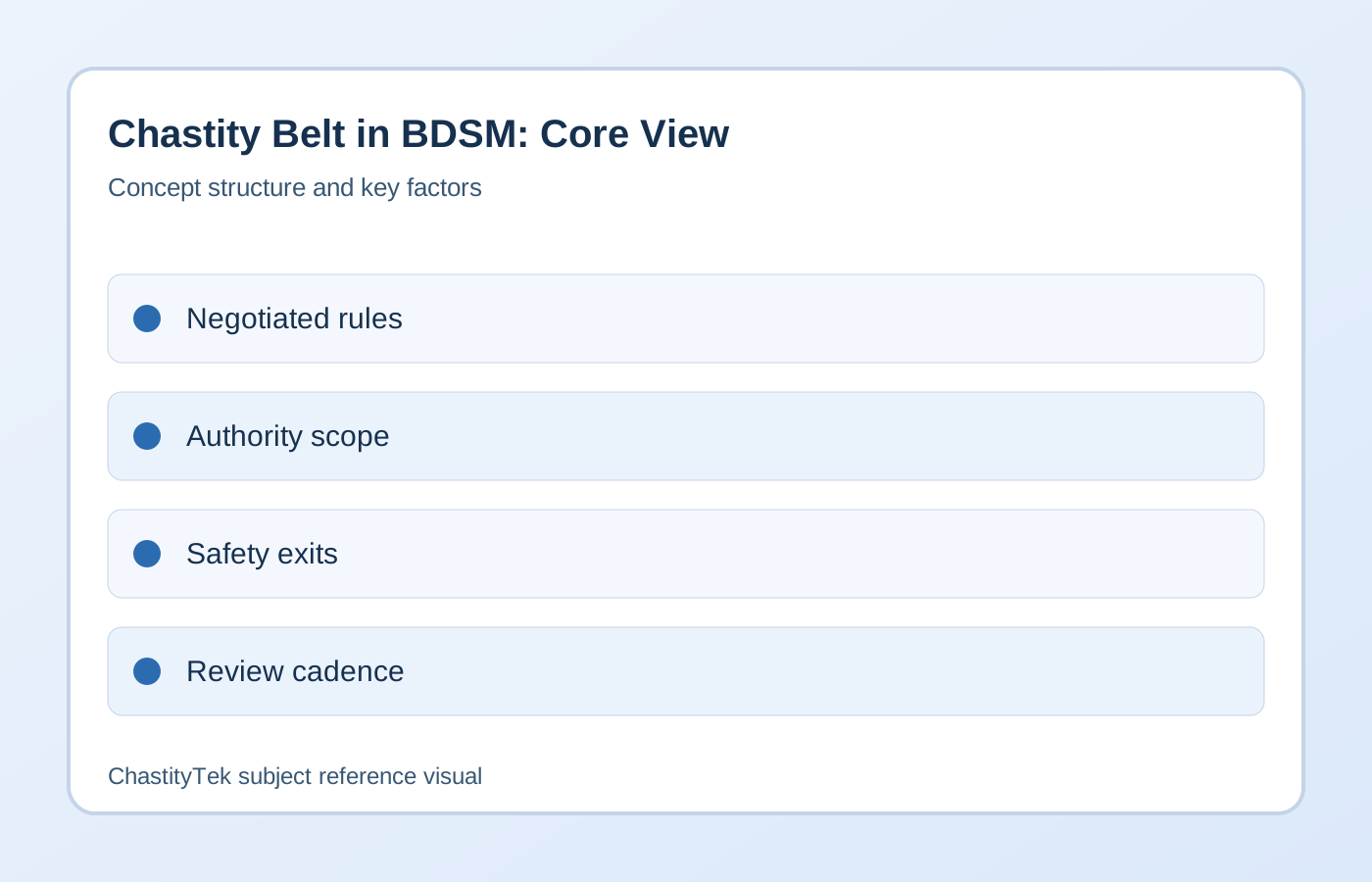
Quick Answer
In BDSM, chastity works best when the device supports a clearly negotiated structure. The more explicit the structure is, the less likely the dynamic is to collapse into confusion, resentment, or preventable physical problems.
What Chastity Can Mean in Power Exchange
Different partners use chastity for different purposes:
- obedience training
- tease and denial
- ritual devotion
- attention focus
- orgasm control
- symbolic surrender
Those purposes are not interchangeable. If one partner is seeking ritual and the other is seeking punishment, the same device can produce a bad dynamic. Clarifying the meaning of chastity in the relationship matters before choosing the hardware.
Negotiation Before Lockup
Before any serious chastity routine begins, partners should agree on the basics:
- duration expectations
- who can authorize removal
- emergency exceptions
- what counts as a success versus a failure
- communication cadence
- whether the tone is nurturing, strict, playful, or disciplinary
This is the real foundation of BDSM chastity. A lock without a protocol is not a strong dynamic.
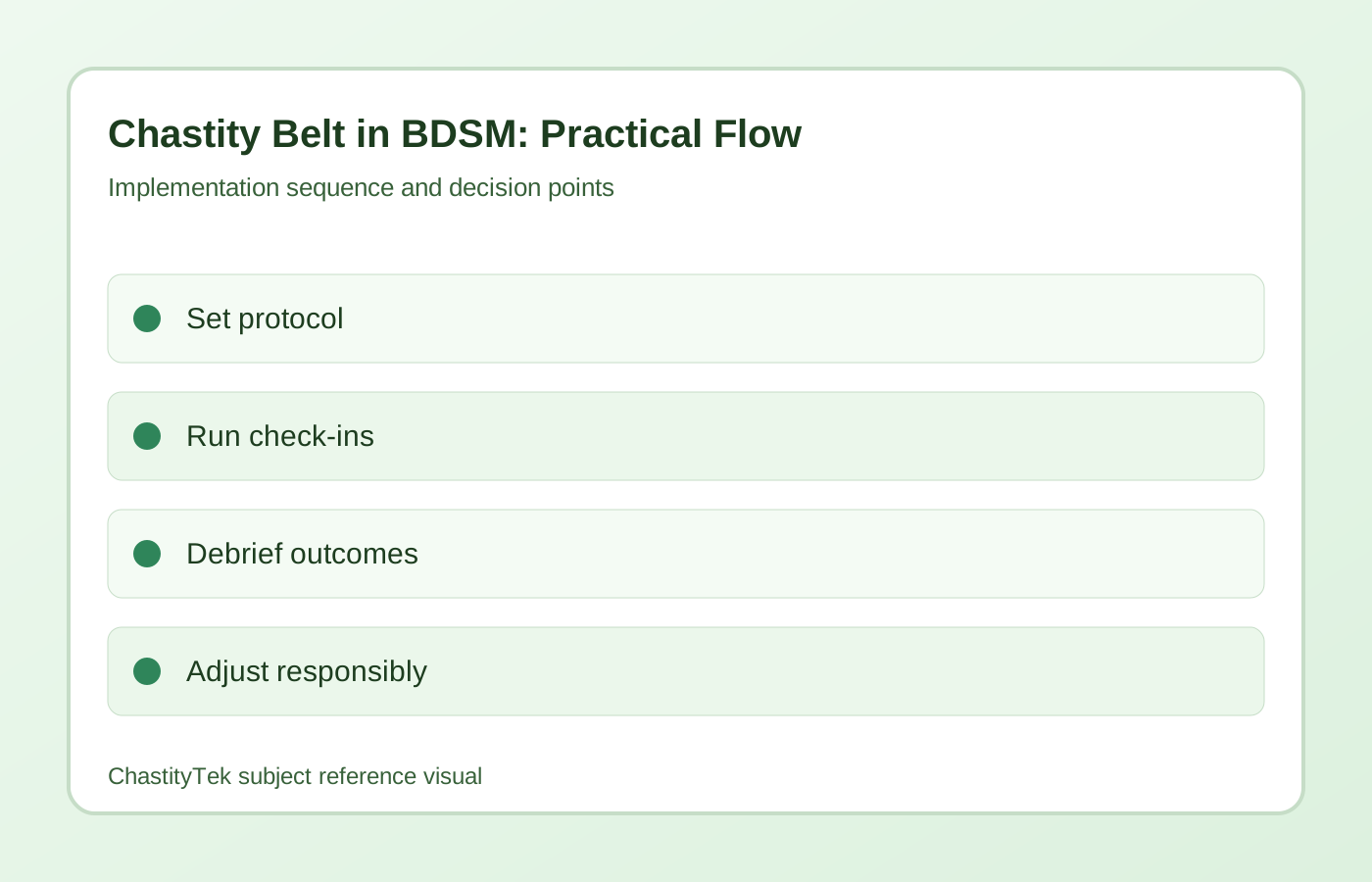
Building a Practical Protocol
A useful protocol answers ordinary questions, not just erotic ones:
- What gets reported daily?
- What happens if discomfort appears?
- Are there scheduled unlocks or hygiene windows?
- How are mistakes handled?
- What happens if emotional strain builds?
The more concrete the answers are, the more stable the dynamic becomes.
Some couples even keep a written version because written rules make review easier and reduce misunderstandings later.
Accountability Without Losing Consent
People often talk about accountability as if it simply means "stronger control." In good BDSM practice, accountability means the dynamic is consistent, observable, and mutually understood.
That includes:
- reporting honestly
- honoring agreed unlock rules
- respecting safewords or equivalent stop signals
- treating discomfort as feedback, not disobedience
If accountability starts replacing consent, the dynamic is already off track.
Emotional Maintenance and Aftercare
Longer chastity dynamics can intensify attachment, frustration, neediness, pride, vulnerability, and insecurity. Those states are not automatically bad, but they do need management.
Aftercare in chastity is not only post-scene comfort. It can also include:
- reassurance conversations
- debriefs after longer cycles
- emotional check-ins during denial
- resetting expectations after conflict or discomfort
These conversations are what keep the dynamic emotionally sustainable.
Safety and Escalation
A healthy BDSM chastity routine does not race toward the most intense version on day one. It escalates when the couple has evidence that:
- the device fit is stable
- the care routine is realistic
- the emotional tone remains healthy
- the rules still feel consensual and clear
If any of those start degrading, pause and adjust. That is not weakness. It is competent BDSM practice.
Common Mistakes
- using dominance language instead of actual negotiation
- escalating duration too quickly
- assuming the submissive will "just say something" without creating a safe way to report problems
- ignoring body feedback because the symbolism feels powerful
- copying porn pacing instead of building a real protocol
Frequently Asked Questions
Is chastity BDSM only about denial?
No. Chastity can support ritual, service, obedience, intimacy focus, or long-term relationship structure depending on the dynamic.
Do people need written rules?
Not always, but written rules often help. They reduce confusion and make review much easier.
How often should check-ins happen?
That depends on intensity and duration, but regular check-ins are essential in any sustained dynamic.
What destabilizes a chastity dynamic fastest?
Poor communication, vague rules, and escalation that outruns comfort are some of the most common failure points.
What should readers explore next?
The best next pages are How Is Chastity Belt Porn Different from Real Chastity Practice? and the male or female fit guides.
Bottom Line for BDSM Readers
In a strong BDSM dynamic, the chastity device is a support structure for the relationship protocol, not a substitute for it. Good chastity practice is negotiated, reviewed, and adjusted like any other serious power-exchange ritual.
If you want to compare that protocol-focused approach with a modern wearable system built around accountability and daily-use practicality, the next internal page to review is The Veru One.